What Does Keyword Intent Mean and Why Is It Important?
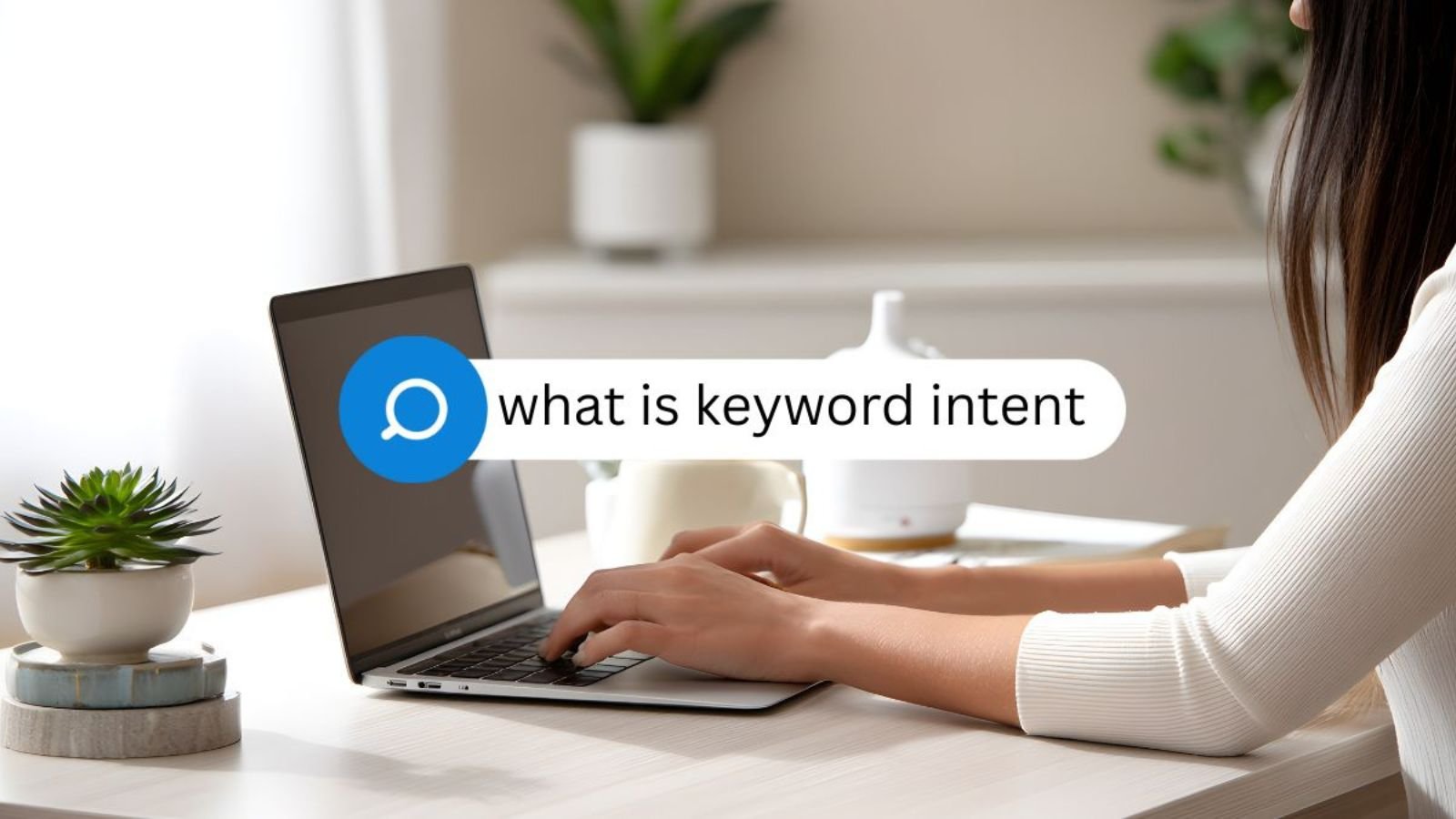
Keyword intent describes why someone types a specific phrase into Google and what they expect to see in the results. It helps shape content around real search behavior, whether the goal is to learn, buy, compare options, or find a local service. When content matches intent, it attracts the right audience and increases the likelihood of action.
What Does Keyword Intent Mean and Why Is It Important?
Understanding Keyword Intent
Keyword intent explains why someone types a search term and what they want to accomplish. It shows whether a user wants to learn, buy, compare, or find a specific place, and that goal guides how content should be written and organized.
Types of Keyword Intent
Keyword intent generally falls into four categories that reflect what users want to do when they search:
- Informational intent: Users look for facts, explanations, or step-by-step guidance, such as how to change a bike tire.
- Navigational intent: Users want to reach a specific website or page, such as a Facebook login.
- Transactional intent: Users are ready to take action, often to buy or sign up, such as buy running shoes size 10.
- Commercial investigation: Users compare options or read reviews before purchasing, like the best budget running shoes 2026.
How Search Engines Interpret Intent
Search engines analyze words, context, and user behavior to infer intent. They use query structure (questions, brand names, purchase phrases), past clicks, and aggregated user data to decide which pages match intent.
For example, a search for “best noise-cancelling headphones” signals commercial investigation, so SERPs often show reviews and comparisons rather than single product pages.
Engines weigh signals like click-through rates, dwell time, and query refinements. They also consider location and device; a local search on mobile with “near me” often returns map results. Optimizing pages for the intended intent improves ranking chances and user satisfaction.
Identifying User Intent from Queries
Start with keyword cues: question words (who, how), commercial modifiers (buy, price, best), and navigational markers (official, login). Those cues give a first-pass intent category.
Next, inspect SERP types for the keyword: articles and featured snippets suggest informational intent; shopping carousels and product listings indicate transactional intent.
Use search analytics and user data to confirm intent. Look at landing page bounce rates, on-page behavior, and search terms that led users to the site. Group keywords by intent and map them to specific content types to reduce mismatch between what users want and what the page provides.
Why Keyword Intent Is Important for SEO
Keyword intent helps search engines and users find the right content fast. It guides content choices, boosts user actions, and sharpens keyword targeting for better results.
Enhancing Content Relevance
When content matches intent, users find answers quickly and spend more time on the page. This lowers bounce rates and sends positive signals to search engines about content quality.
Writers should map intent types (informational, transactional, navigational, commercial) to page goals. For example, an informational query like “how to prune roses” needs a how-to guide with steps and images. A transactional query such as “buy rose shears online” needs product details, price, and a clear call to action.
Content layout also matters. Use headings, lists, and quick answers to meet intent on the first view. Schema markup and optimized meta tags help search engines understand the page’s purpose.
Optimizing Conversion Rates
Matching intent raises conversion rates because visitors get what they expect. A user searching “best budget noise-canceling headphones” expects comparisons and buying advice, not a brand homepage.
Tactical elements improve conversions: clear CTAs for transactional pages, comparison tables for commercial-intent searches, and FAQ sections for informational queries. Test different CTAs and page elements to see which align best with each intent type.
Track conversions by intent segment. Use analytics to compare bounce, time on page, and goal completions for informational versus transactional pages. This data shows which intents convert and where to invest.
Refining Keyword Research Strategies
Intent-focused keyword research finds terms that lead to action, not just traffic. It filters high-volume queries that don’t match business goals and highlights lower-volume queries with strong conversion potential.
Practical steps:
- Categorize keywords by intent label (informational, navigational, commercial, transactional).
- Analyze SERP features and top-ranking pages to confirm intent.
- Prioritize keywords where competitors fail to satisfy intent.
Use tools like Search Console to see actual user queries and adjust intent labels. Combine keyword metrics (volume, difficulty) with intent clarity to pick the best opportunities.
Frequently Asked Questions
How does understanding user intent improve content strategy?
Understanding intent lets content teams match page purpose to user goals. They can write how-to guides for learning queries and product pages for buying queries.
It reduces wasted traffic by targeting people ready to act. That improves engagement, time on page, and leads or sales.
What are the different types of search intent to consider in SEO?
Search intent commonly falls into informational, navigational, transactional, and commercial investigation. Informational users want answers; navigational users seek a specific site; transactional users want to buy; commercial investigators compare options before buying.
Each intent type requires different page formats and signals. For example, how-to posts fit informational intent, while product pages and checkout flows serve transactional intent.
Why is aligning content with user intent critical for ranking in search engines?
Search engines rank pages that best satisfy the user’s stated need. When content matches intent, it earns higher click-through and lower bounce rates, signals that boost relevance.
Mismatch leads to poor engagement and can hurt rankings over time. Aligning intent improves chances of appearing for relevant queries.
What role does keyword intent play in the conversion optimization process?
Keyword intent guides the call-to-action and content elements on a page. For example, transactional keywords should lead to clear purchase CTAs, while informational keywords should offer next-step resources.
Testing pages built for specific intents reveals which formats and CTAs convert best. Iterating on intent-focused pages improves lead quality and sales.
How is search intent categorized, and how does it affect keyword research?
Search intent gets categorized by the user’s goal: learn, find, compare, or buy. Keyword research should tag each keyword with one of these intents before content planning.
This prevents mixing intent types on one page and helps choose the right content type, title, and meta tags. It ensures targeting aligns with real user needs.
Omaha SEO Company | Providing the BEST SEO Services in Omaha
We are a premier internet digital marketing company providing:
- AI-Powered SEO & Keyword Optimization
- Custom Website Design & Development
- Data-Driven Social Media Marketing
- Targeted Google Ads & PPC Campaigns
- Local SEO & Geotargeting Strategies
- Email Marketing
- Marketing Campaigns
- Digital Marketing Strategy
- And More
Our marketing services goal is to continually over-deliver to every client we work with. We are a team of SEO experts, web design wizards, social media masterminds, and online reputation management specialists. With over 10 years of experience, we have developed a system that ensures the success of our clients with our products and services.
Our SEO agency is here to ensure your website is ranking high. Our goal is the top position. Exactly where the best, most qualified traffic is. Give us a call for your FREE Consultation.